
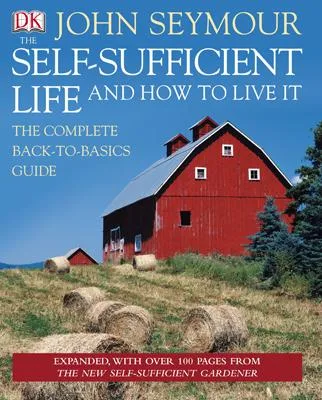
How to Grow More Vegetables
John JeavonsThe bible of biointensive gardening. Maximum food in minimum space using sustainable methods.
AmazonTen sheets. One page each. Printed, on a wall or in a folder, working when the power is not.
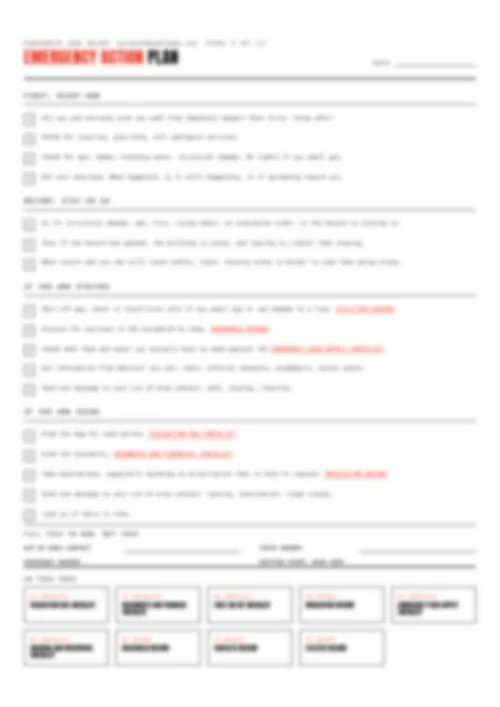
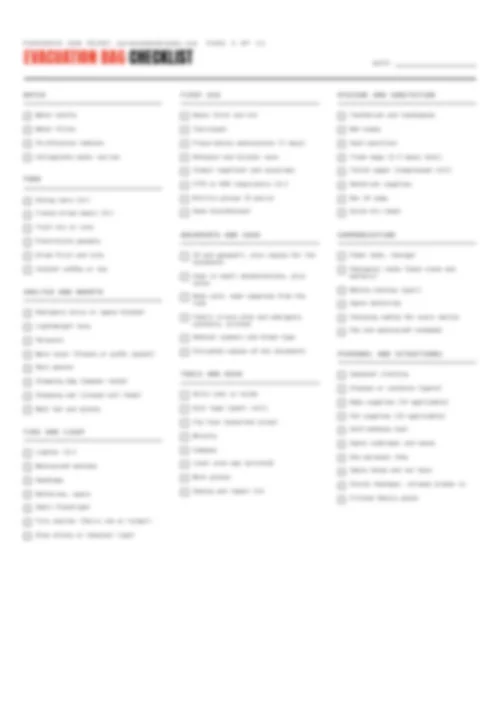
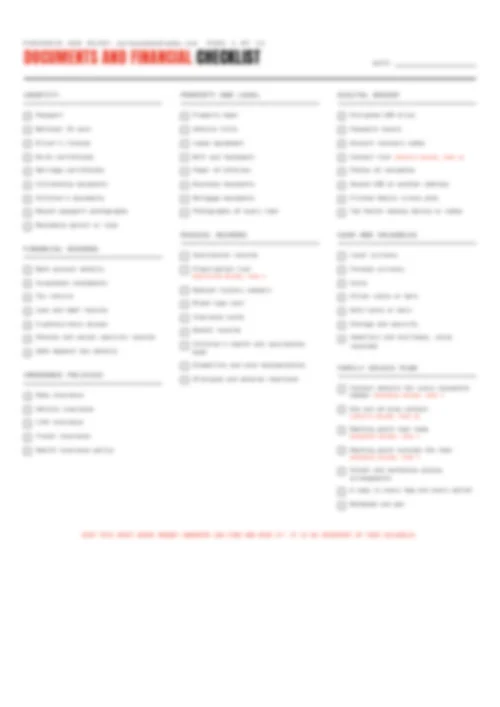
Instant download. No account, no subscription, nothing to install.
One plan for the first minutes. Five checklists for what to have ready. Three records you fill in once, on a calm day.
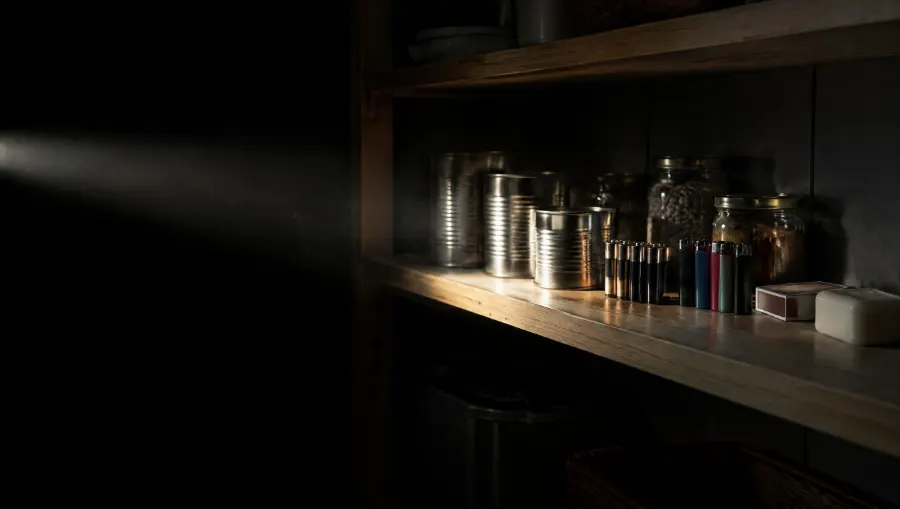 Barter Goods
When money stops,
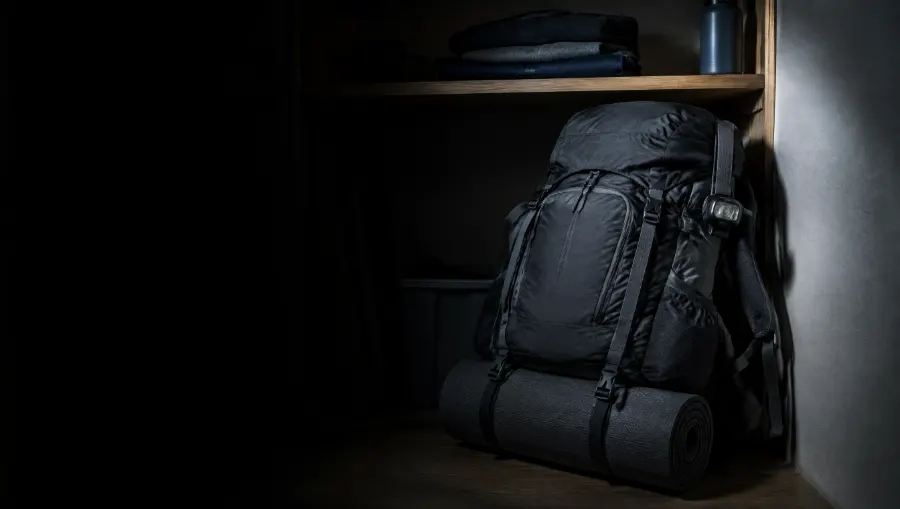 How to Build an Evacuation Bag
Two minutes to leave.
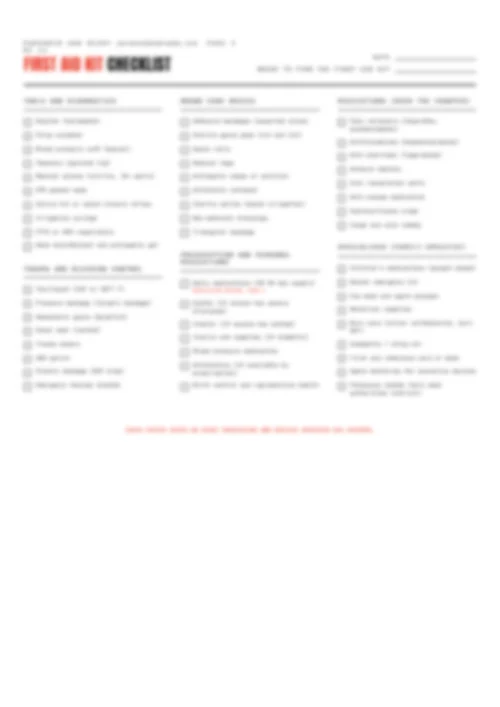
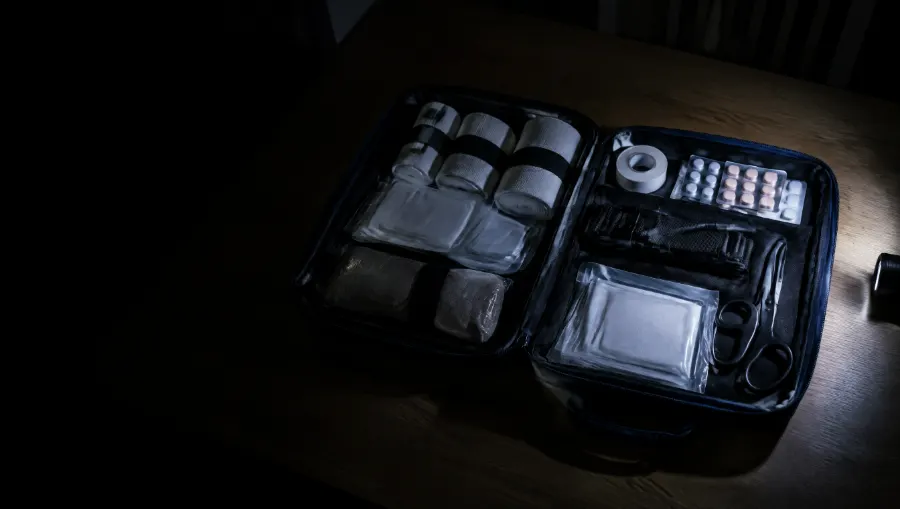 How to Build a First Aid Kit
Most kits are plasters.
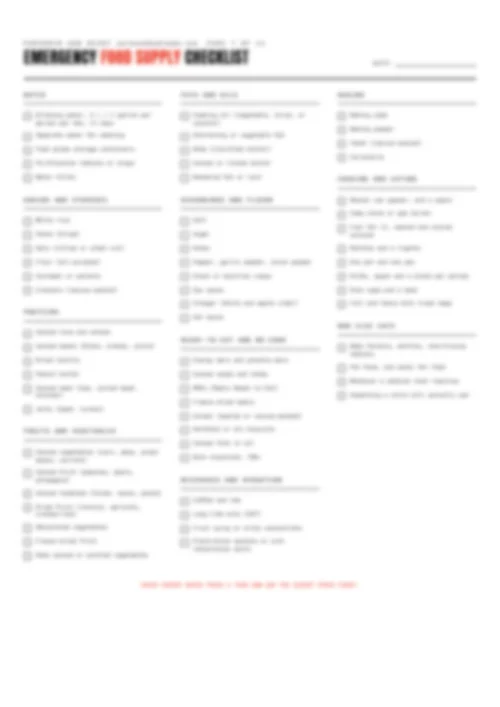
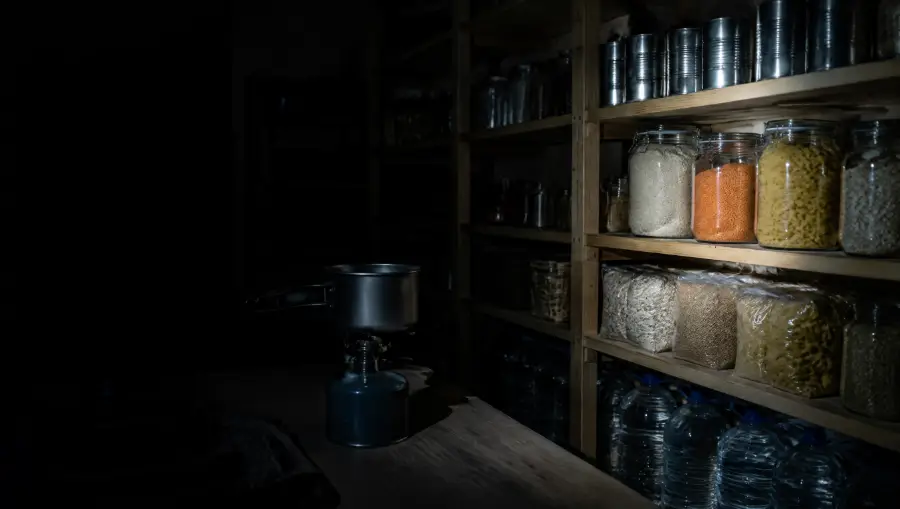 Emergency Food Supply
When you cannot buy food,
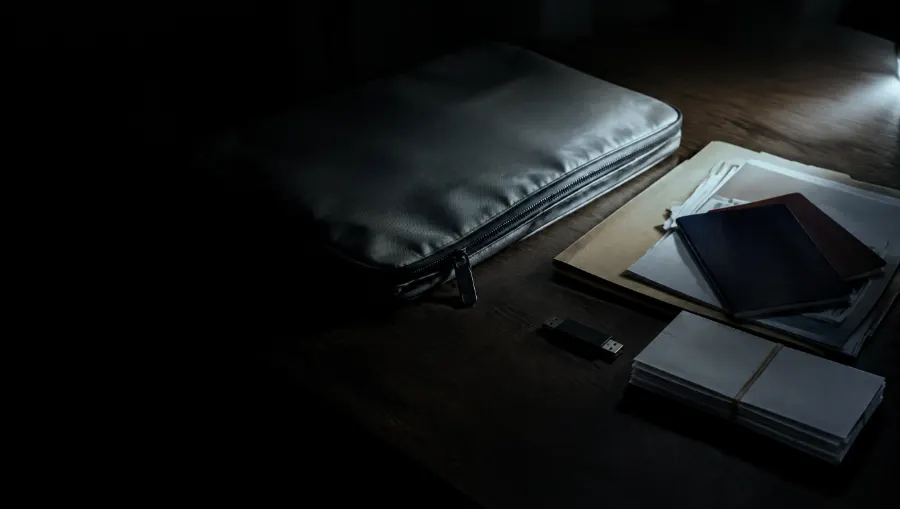 Documents and Financial Resilience
Fire, flood or a fast exit.
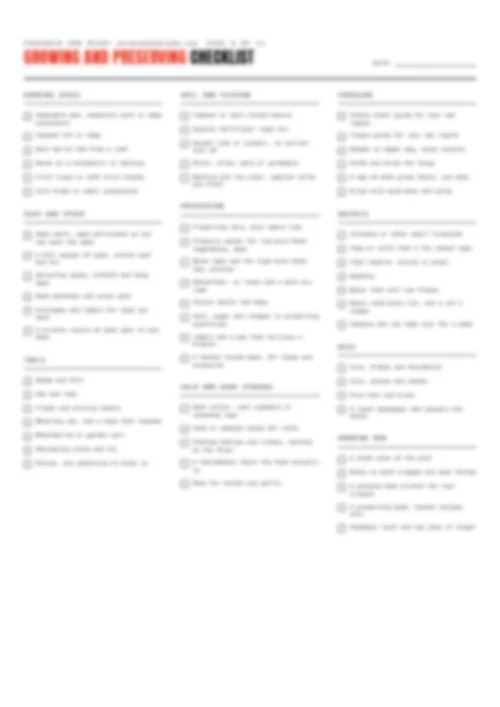
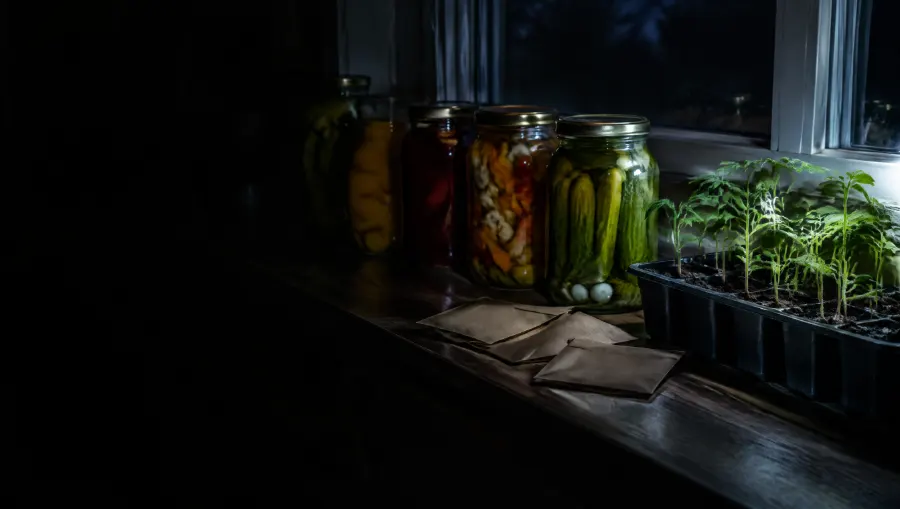 Growing and Preserving Food
Stored food ends.
 Getting Through a Power Outage
The lights go first.
 Safes and Secure Storage
Fire, water, a crowbar.
 Concealment and Diversion
A burglar has ten minutes.
 Cash at Home
Cards need power.
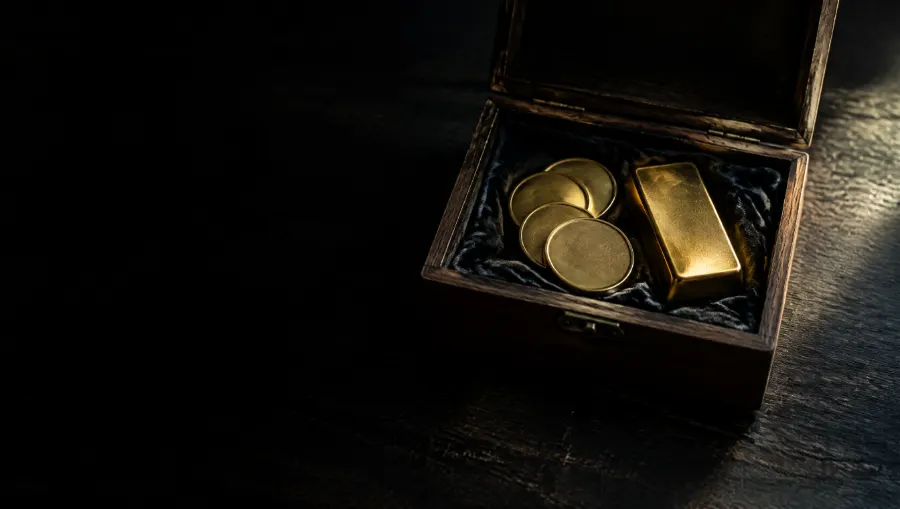 Physical Gold and Silver
Money can be printed.
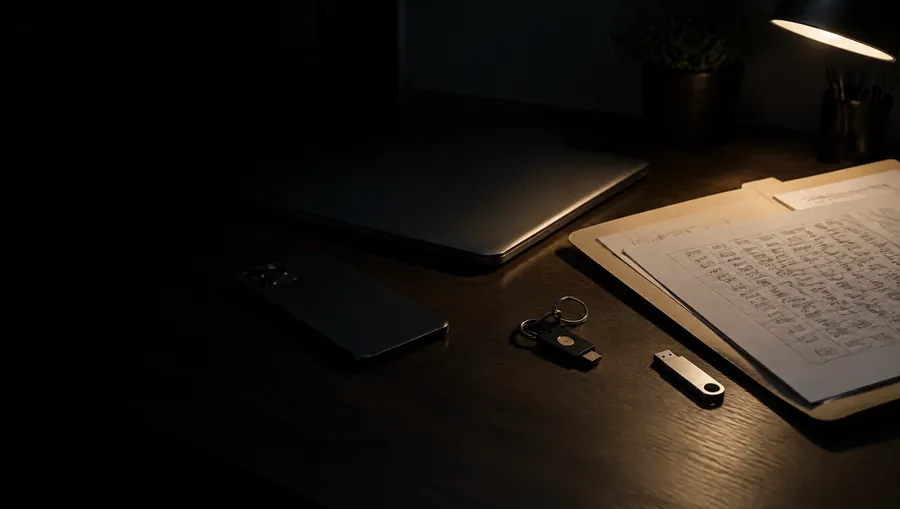 Cybersecurity at Home
Lock your accounts
A big rechargeable battery with mains sockets, refilled from the wall or from solar.
Folding panels that recharge a power station or battery from daylight.
A petrol or propane engine driving an alternator you plug appliances into.
A pocket battery for phones, headlamps and other USB devices.
Lanterns that light a room, and headlamps that leave both hands free.
Ferro rods, stormproof matches and lighters that ignite when wet or cold.
A small torch carried daily, usually rechargeable and pocket sized.
Stocks of the cell sizes your torches, radios and detectors actually take.
Hand-carried filters that strain bacteria and protozoa out of collected water.
A hanging bag or countertop unit that filters larger volumes without pumping.
Tablets, drops and UV pens that kill what a filter lets through, viruses included.
Containers and drums for keeping drinking water at home in bulk.
Fold-flat carriers for fetching and moving water.
Everyday bottles, the steel ones doubling as something you can boil in.
Sealed single-serving water with a multi-year shelf life.
An additive that extends stored water from months to about five years.
A stove and fuel to cook without power, and a pan that survives an open flame.
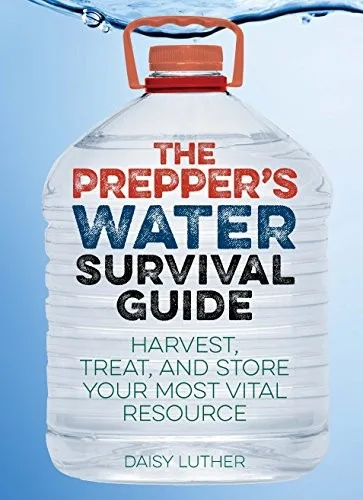
Food you grow rather than store, most of it indoors and without soil.
Prepacked kits for cuts, burns, sprains and the everyday injuries.
Tourniquets, gauze and pressure dressings for the injury a plaster cannot stop.
A toilet, bags and disinfectant for the day the water stops and nothing flushes.
Washing, oral care and hand hygiene without running water.
Respirators, protective gear and disinfectant to keep an illness out of the house.
Receive-only radios for weather alerts and broadcast news, often hand-cranked.
Short-range transceivers for talking between people with no network in between.
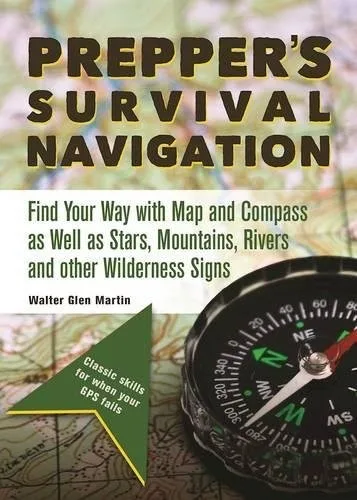
Compasses, paper maps and handheld GPS units.
Whistles, mirrors and flares that get you found when nobody can hear you shout.
One fixed blade and one multitool cover most cutting, prying and fixing jobs.
Blankets, tarps and sleeping bags that keep body heat in when the heating is off.
Paracord, duct tape and zip ties: the cheap fix for almost anything that breaks.
Axes, saws, shovels and pry bars that need no power.
Reinforcement for doors, frames and windows against forced entry.
Cameras, alarms and lights that tell you someone is there before they reach the door.
Sprays, alarms and lights carried for protection, subject to local law.
Respirators, radiation detection and room sealing for chemical or nuclear events.


Pick your region to find the printed map worth keeping at home.