Barter goods and skillsWhen money stops,
you trade.
First what you have. Then what you can do.
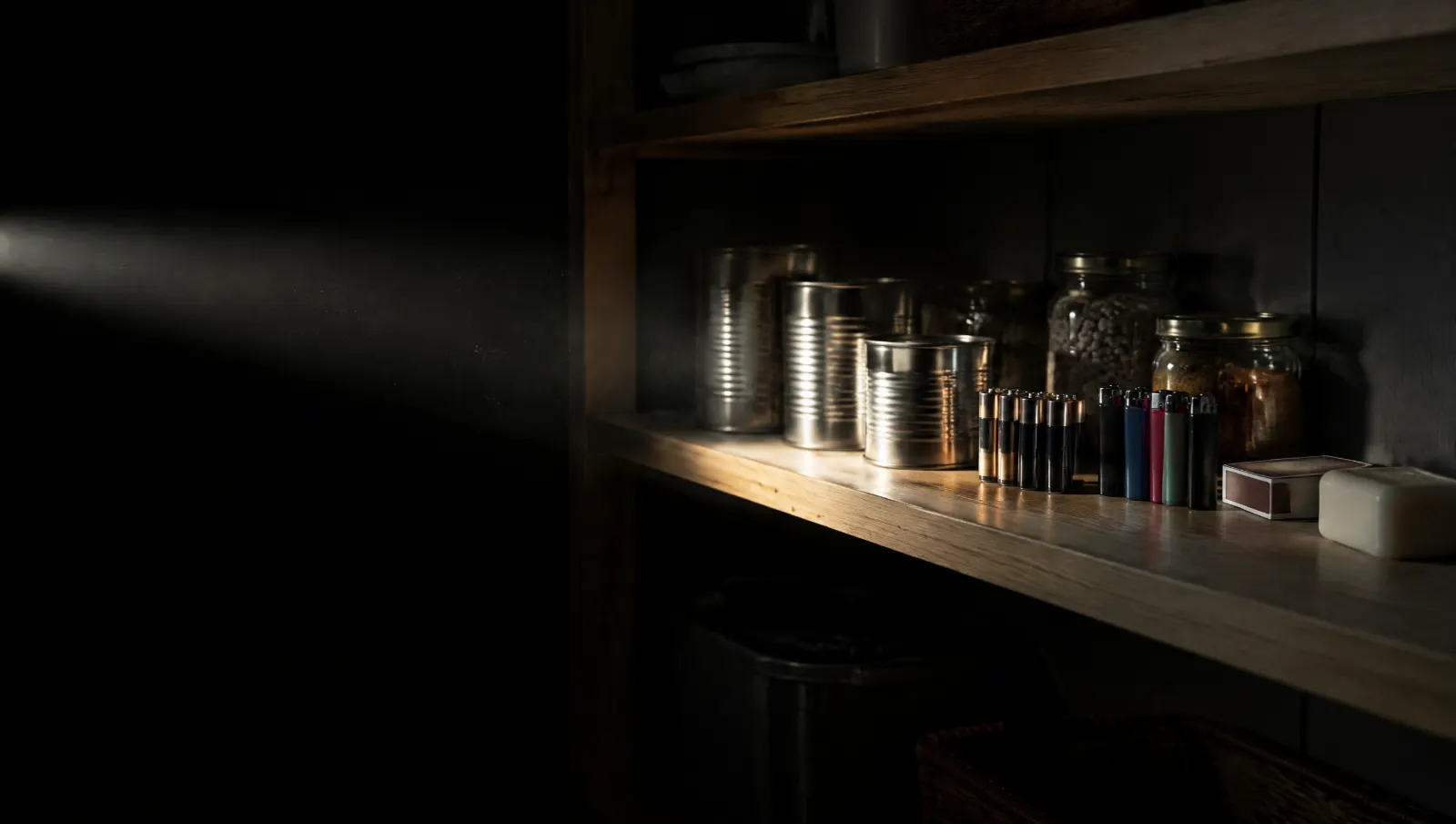
What trades first
Keep a small stock of these: they run out first, so everyone wants them.
- FoodSalt, sugar, coffee, tins
- PowerBatteries, power banks
- FireLighters, matches
- HygieneSoap, toothpaste, razors
- MedicinePainkillers, plasters
- FuelPetrol, gas canisters
- ToolsTape, nails, cable ties
- VicesAlcohol, tobacco
How to trade
Stock what you use. Your barter shelf is your own surplus, so whatever you never trade still gets used.
Buy small. Nobody gives change in a swap, so single batteries trade better than a forty-pack.
Rotate it. Use the oldest first and replace it, and nothing on the shelf expires.
Show one thing at a time. Nobody should leave knowing what else you have.
Two exceptions: medicine is regulated in most countries, so give it rather than trade it, and the law limits how much fuel you may keep at home, so check yours first.
What you can do
Keep these books on a shelf at home: when the internet is down, a printed manual is the only one that still opens.
Growing food
A harvest you can grow and preserve trades every season.


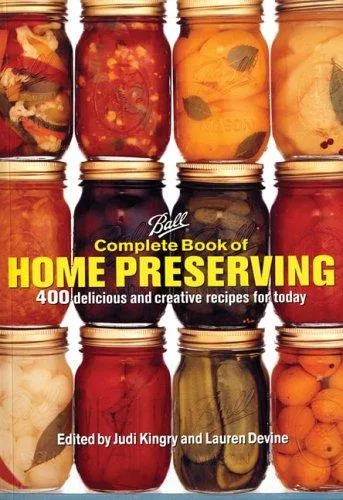

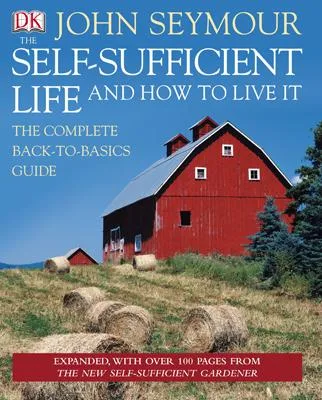
How to Grow More VegetablesJohn JeavonsAmazon
Power and repair
Generators, solar panels and pumps keep a house running, and few people can fix them when they fail.
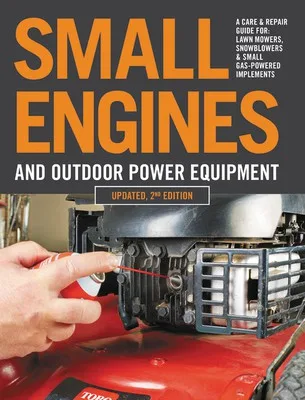
Small Engines and Outdoor Power Equipment (2nd Ed.)Editors of Cool Springs PressAmazon
Treating people
Wound care matters most when the ambulance is hours away.
The Survival Doctor's Complete HandbookJames Hubbard MDAmazon
Water
Clean water is the first thing a household runs out of.
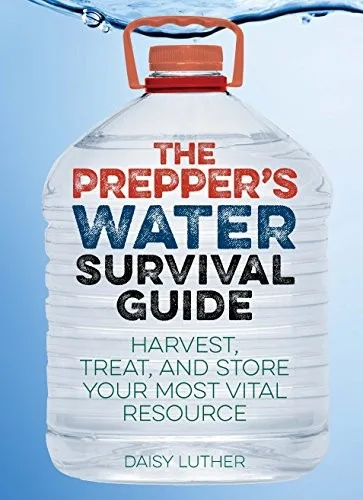
The Prepper's Water Survival GuideDaisy LutherAmazon
Radio
When the phone network is down, a radio is the only way to hear news or reach family.
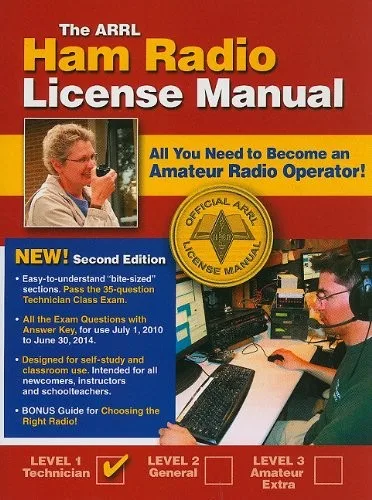
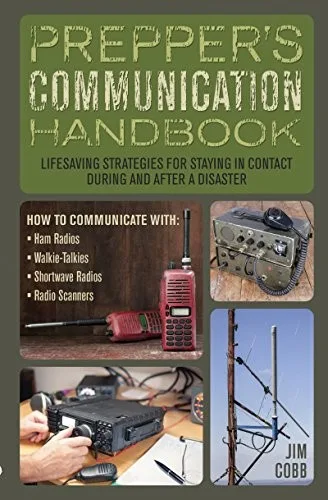
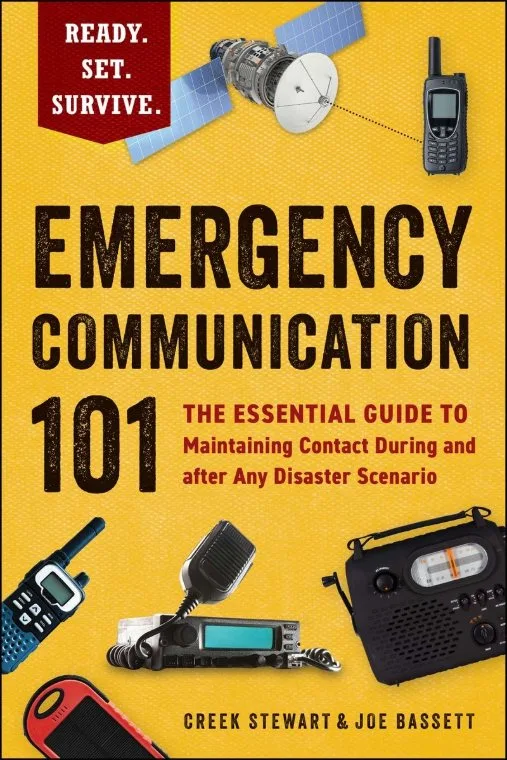
The ARRL Ham Radio License ManualARRLAmazon
Shelter and craft
Shelter, knots and simple tools need no power at all, and somebody always needs them made or mended.
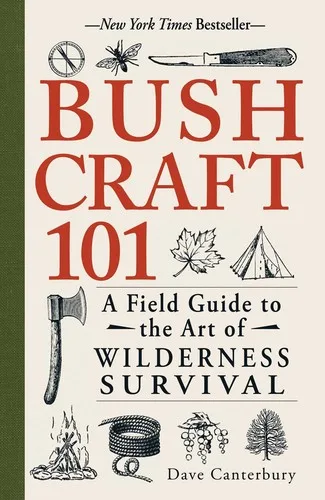
Bushcraft 101Dave CanterburyAmazon
Questions
- What are the best items to stockpile for barter?
- Small everyday things that run out first: single batteries, water treatment, wound care. Keep them as your own surplus, so whatever you never trade still gets used.
- Which skills can you trade when money stops?
- Repairing generators, pumps and solar panels, treating wounds, growing and preserving food, and making or mending things with no power. Goods run out; skills keep trading.
- How do I trade safely?
- In small units, because nobody gives change in a swap, and never so that anyone sees what else you have.
- Is there anything I should not trade?
- Medicine is regulated in most countries, so give it rather than trade it. The law also limits how much fuel you may keep at home: check yours first.